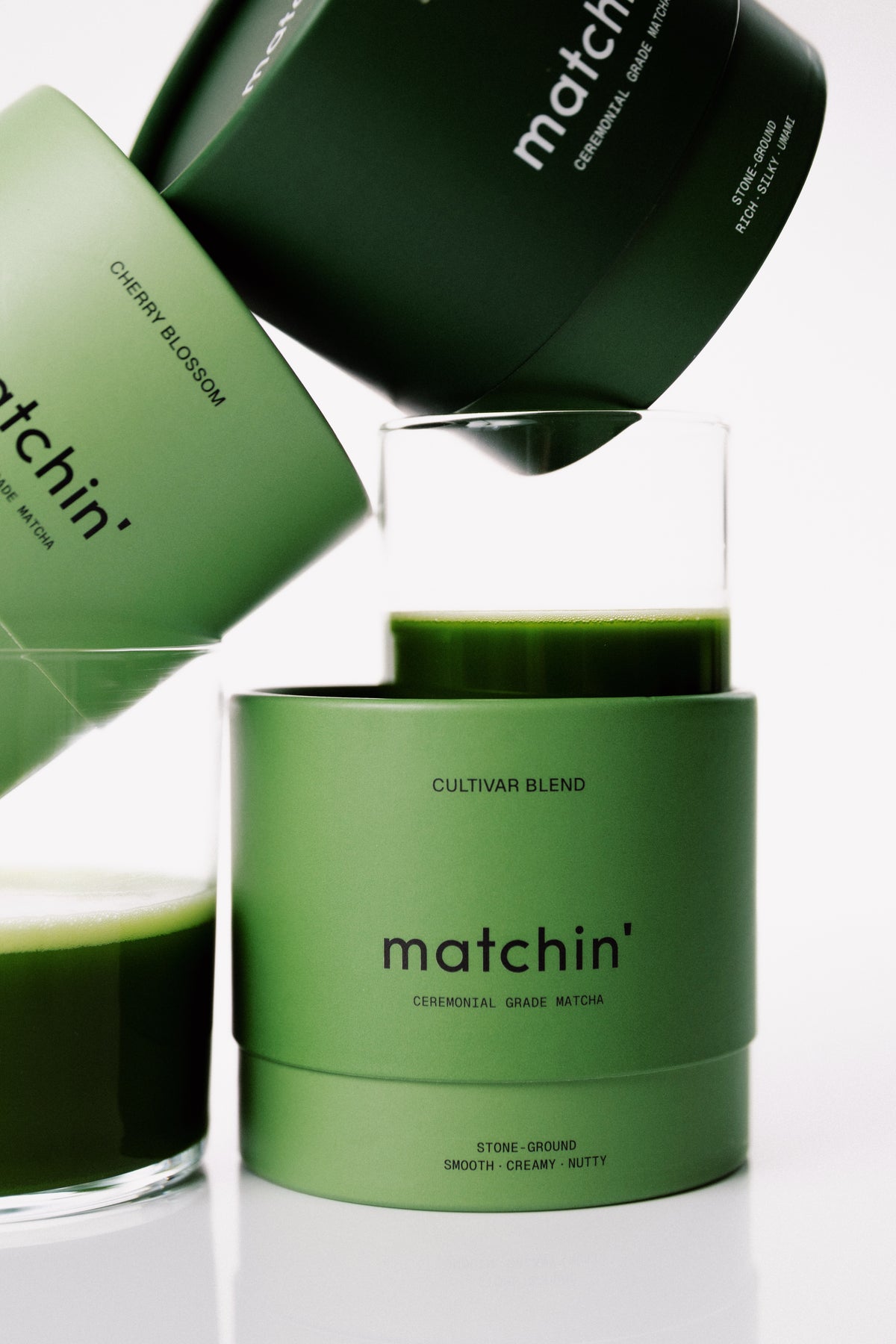


How to prepare matcha?
A Matchin’ Guide Inspired by the Urasenke Tradition
Good matcha is only the beginning.
At Matchin’, we feel a close connection to the tradition of the Japanese Urasenke school of tea, where preparing tea is about much more than technique. It is a moment of mindfulness, simplicity, and stillness.
The true experience begins when we move beyond taste alone and start to understand the nature of matcha: how it is prepared, the importance of proportions, the temperature of the water, the movement of the bamboo chasen whisk, and the mindfulness we bring to each step.
Matcha can be more than a drink. It can become a ritual, a moment of stillness, and a return to the here and now. It is an experience in which taste meets knowledge, and the preparation becomes just as important as the final result.
In The Book of Tea, Kakuzō Okakura explored the idea that the more deeply we understand tea, the more we can discover within it. Our perception of its taste changes with what we know, what we notice, and how fully present we are in the moment.
That is why good matcha does not begin with the first sip. It begins much earlier.

How to Store Matcha
Matcha is delicate and reacts quickly to light, heat, moisture, and exposure to air. How it is stored therefore has a direct impact on its taste, aroma, and color.
Once opened, it is best kept in a tightly sealed container, in a cool, dark place away from strong odors. If you use matcha regularly, the refrigerator is a good option. For longer-term storage, you can use the freezer.
If your matcha has been stored at a low temperature, allow the container to reach room temperature before opening it. This helps reduce the risk of moisture condensing inside.
The most important rule, however, remains simple: protect matcha from air, light, and moisture.
Why Sifting Matcha Matters
Finely ground matcha naturally forms small clumps. Sifting helps break them up, resulting in a smoother, silkier drink.
In the Urasenke tradition, matcha is sifted in advance, out of the guest’s sight. At home, you can treat this step as part of your own ritual.
A fine tea strainer is all you need to help the matcha combine more easily with water and whisk evenly with a chasen.
Water Matters
Water is one of the most important elements in matcha preparation, yet it is also one of the most frequently overlooked.
It is best to choose soft water with a relatively low mineral content, so that it does not compete with the tea’s flavor. The same matcha can taste completely different when prepared with different types of water.
That is why, when evaluating matcha quality, it is worth paying attention not only to the tea itself but also to how it has been prepared.
What Water Temperature Is Best for Matcha?
For classic usucha, a good starting point is a water temperature of around 70–75°C (158–167°F).
Water that is too hot can bring out excessive bitterness and overpower more subtle notes. A lower temperature often makes it easier to appreciate the umami, natural sweetness, and delicate character of high-quality Japanese matcha.
There is no single perfect temperature for every tea, however. Treat 70–75°C as a reference point, then adjust the water temperature to suit the specific cultivar and your personal taste.
Preparing the Chawan and Chasen
Before preparing matcha, it is worth taking care of your utensils, too.
The chawan should be clean and dry, while the chasen can be briefly immersed in warm water. This makes the bamboo tines more flexible and less prone to damage, while gently warming the bowl.
Do not leave the chasen in water for too long, however. Bamboo is a natural and delicate material.
After a brief soak, pour out the water, dry the bowl thoroughly, and only then sift the matcha into it.
Usucha Ratios
For one serving of usucha, a good starting point is approximately 1.5–2 g of matcha, equivalent to about two scoops using a chashaku bamboo tea scoop, and around 60–70 ml of water.
This is a classic starting ratio that you can adjust to suit the specific tea.
Some matchas reveal their character best when prepared more intensely, while others benefit from a little more water. It is through these small adjustments that you begin to discover your own preferences.
How to Whisk Matcha with a Chasen
Once the water has been added, whisk the matcha with quick, light movements of the wrist.
The movement should resemble the letters M or W. Do not press the chasen firmly against the bottom of the chawan or move it in circles as you would when stirring an ordinary drink.
In the Urasenke tradition, the aim is to create a delicate, even layer of fine foam.
This is where technique meets aesthetics.
The movement of your hand, the pace, and the way you guide the chasen influence not only the appearance of the matcha but also its texture and how you experience its flavor.

Matcha Is Best Enjoyed Immediately
Usucha is best enjoyed immediately after preparation.
Matcha is a suspension of finely ground tea leaves, so its texture begins to change over time as the particles gradually settle to the bottom.
Freshly prepared matcha allows you to experience its texture and flavor profile at their best.
Traditionally, usucha is drunk in three and a half sips, with the final sip ending in a distinctive slurp.
Good matcha reveals itself in layers. First, you may notice umami and natural sweetness, followed by fresh vegetal notes, gentle bitterness, creaminess, and a long, clean finish.
Matcha Is More Than a Drink
Every element of preparation matters.
The quality and origin of the matcha, the water, the temperature, the proportions, the chawan, the chasen, and the movement of your hand.
Above all, however, mindfulness remains essential.
Preparing matcha can become one of those brief moments in the day when nothing needs to be rushed.
You can put your phone aside for a moment, prepare the water, warm the chawan, sift the matcha, and focus entirely on a few simple actions.
At Matchin’, we believe that matcha does not have to be just a drink.
It can be a ritual.
A ritual rooted in quality, knowledge, and respect for the Japanese tea tradition.
And a good ritual begins with quality.